
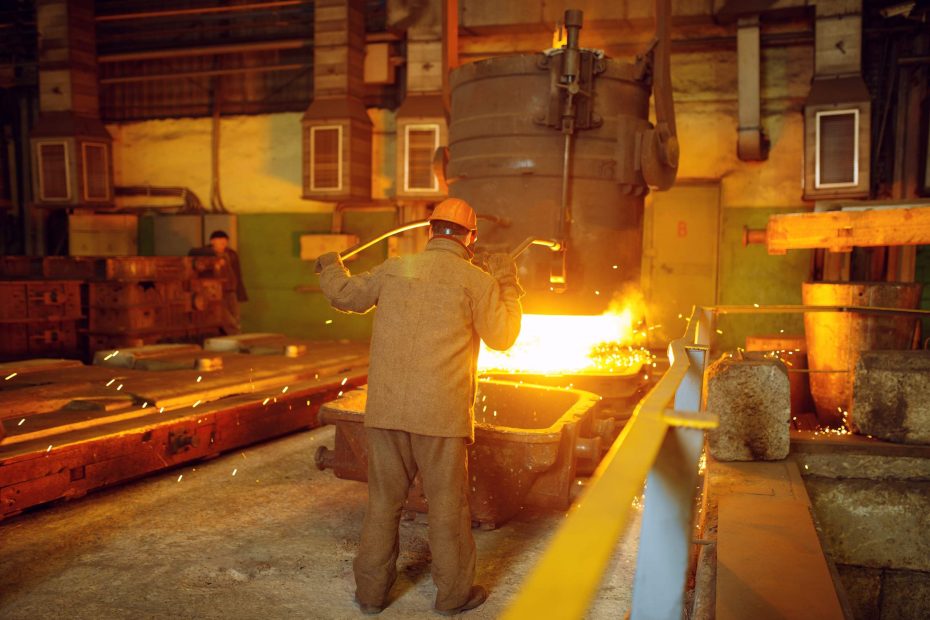
Molds and cores are important parts of the casting process. Without them, there is no casting. These tools determine the shape of the casting, how the metal flows into it, and how well the final casting looks and fits its intended size. Therefore, knowledge about preparing molds and cores is a vital part of casting production.
What Is a Casting Mold?
A casting mold is a hollow space into which molten metal is poured to make a specific shape. This mold is created with a pattern that represents the geometry of the casting. The mold can be made of different materials depending on the casting process, metal type, number of parts, and the quality of the surface of the casting. The mold must be able to resist contact with molten metal and must keep the necessary shape of the casting.
What Is a Pattern?
The pattern is the tool that creates the mold. It is made based on the dimensions and the geometry of the casting, keeping in mind any modifications that might happen during production. Metals shrink when they are cast, so the dimensions of the pattern must allow for this change in order for the final product to reach its intended size.
What Is a Core?
A core is a piece placed within a mold to form an opening or feature inside the casting that would otherwise not be possible to form with the mold. In some castings, cores are necessary to achieve the proper shape of the internal features. The placement of cores is very important since a small shift could affect the final size of the casting.
Preparing the Mold
Preparing the mold involves making sure the mold has the right dimensions, strength, and surface properties. Proper preparation includes providing proper paths for metal to flow and for gases to escape. An improperly prepared mold may result in incorrect dimensions, poor surface quality, incomplete casting, and other problems.
Mold Venting and Gas Handling
Gases are created or pushed out when molten metal is poured into a mold. If these gases are not allowed to escape properly, they can be trapped in the casting and contribute to defects like porosity. Mold venting is designed to release gases, helping to control the flow of the metal. Therefore, the mold must take into consideration the shape of the casting and the movement of air and gases.
Core Placement
Cores are especially important when a casting has internal openings or cavities. It is important to keep cores in place to avoid shifting when molten metal enters the mold. Core supports, known as chaplets in some cases, help to keep the core in position. Correct positioning of cores ensures that the casting has accurate dimensions and maintains its internal geometry.
Selection of Mold Materials
There are many types of molds, each with different material properties. The choice of mold material depends on its compatibility with the casting process, the metal being cast, and other factors like thermal resistance, permeability, strength, surface properties, and ease of removal. The mold material should be chosen to ensure stable production conditions and to minimize the chance of defects.
Common Problems in Molds and Cores
There are several problems that can arise with molds and cores. Mold erosion occurs when the mold surface is damaged or when pieces of the mold end up in the casting. Incorrect placement of the core causes incorrect internal dimensions. Poor permeability prevents gases from escaping. Low mold strength leads to deformed molds or damage. Identifying these problems early can help avoid them from affecting the rest of the batch.
Enhancing Mold Quality
The main objective in producing molds and cores is to create consistent products. By following standard procedures for mold and core preparation and inspection, and controlling material properties, the amount of variation in the products can be reduced. Additionally, finding the causes of recurring casting defects can help identify mold or core preparation problems.
Conclusions
Molds and cores are critical to the casting process. They play a vital role in determining the shape of the casting, how the metal flows into the mold, how gases move, the dimensional accuracy of the casting, and the surface quality. By understanding how molds and cores are created, prepared, positioned, and maintained, foundry personnel can improve their production process and produce better quality castings.